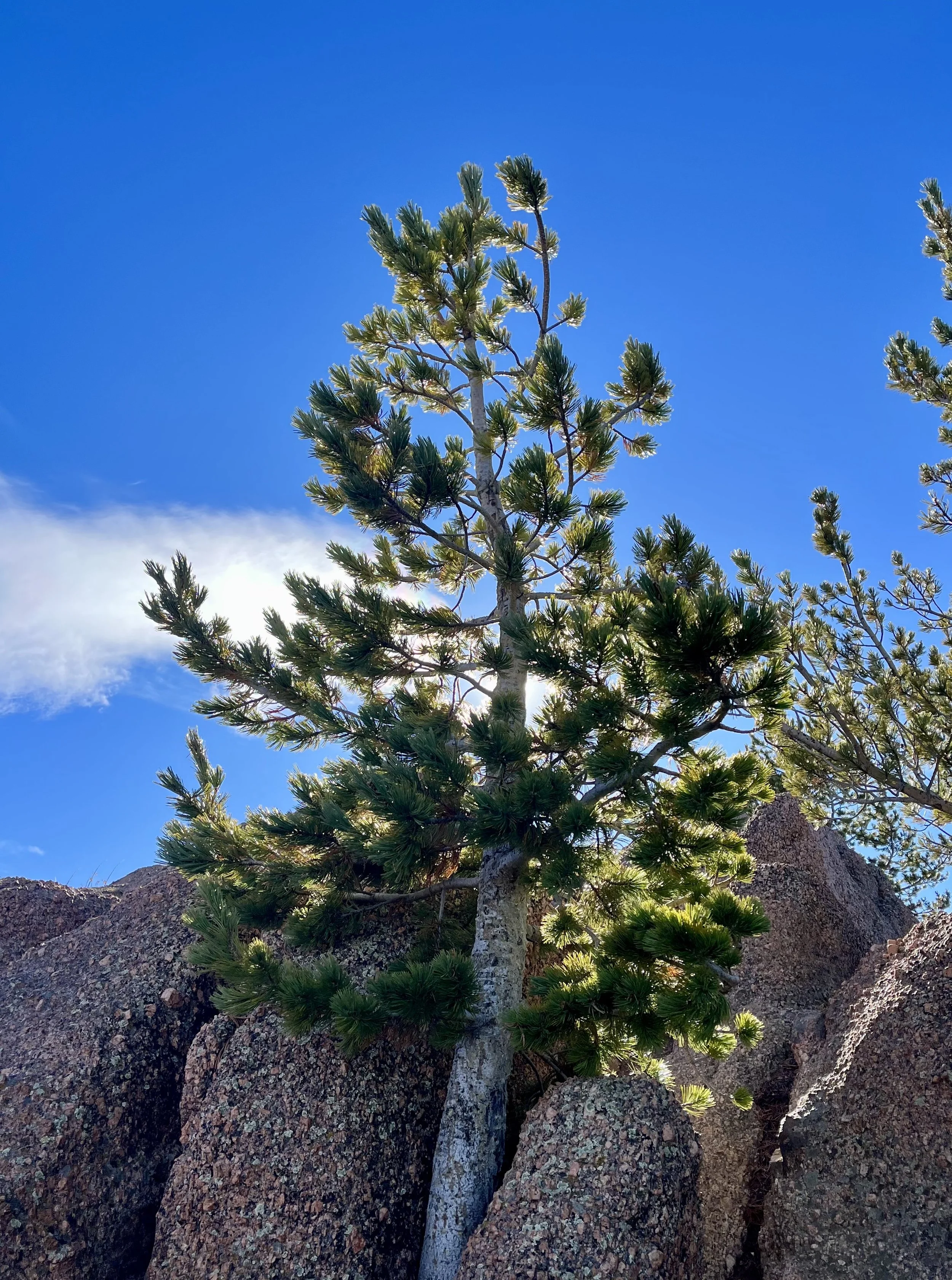
Editor’s Letter
The TREE Seasonal, Winter 2026
Winter has become an especially generative season for me. I wake early, relishing the dark, quiet hours when it feels as though I am the only one awake. I drink coffee and work on drawings, glancing out the window from time to time, knowing that the sunrise will turn me toward the tasks of the day.
Over time, I have come to recognize how much learning depends on this kind of attentiveness, on noticing when to stay
and when to turn. In my many years in the company of young children, I have seen how seasonal rhythms offer a way to think about education not as constant output, but as cycles of growth, release, rest, and renewal. This way of thinking led me to the TREE Semester, and for this I am ever grateful.
I grew up within my mom’s art gallery and self-publishing business, giving me an example of the power of sharing and distributing images. She made large prints
of her drawings and really wonderful notecards that were sent all over the world. Throughout my years of teaching, I have encouraged learners to share what they create: trade a drawing with a friend, make ten copies of a comic and trade with ten friends.
During my three seasons with TREE, I worked closely with the TREE Stewards to extend an existing Nature Journal assignment, building on a long-standing tradition of leaving
a note for those who come after. Stewards were naturally drawn to the practice of leaving something behind as a
gift—something beautiful, personal, true,
and useful.
From this experience came a series of shared works: felted self-portraits of each Steward as trees in 2022; The 2023 TREE Guide for Paws, Hooves, and Feet, a small edition of hand-drawn maps and directions to favorite places on the land; and in 2024, STEW Magazine, a collection of images, writing, and reflections on time at TREE. From this same impulse grew The TREE Seasonal,
a touchpoint and a way to continue growing connection, reflection, and shared learning beyond our time together on the land.
As a new year begins, we must choose where we give our attention—where we look, what we hold with care, and how we turn toward what is before us shapes what follows.
The essays that follow are shared by members of the TREE community and are gathered here to stay connected, reflect together, and continue learning beyond our time on the land.
Annie Stone
Editor, The TREE Seasonal
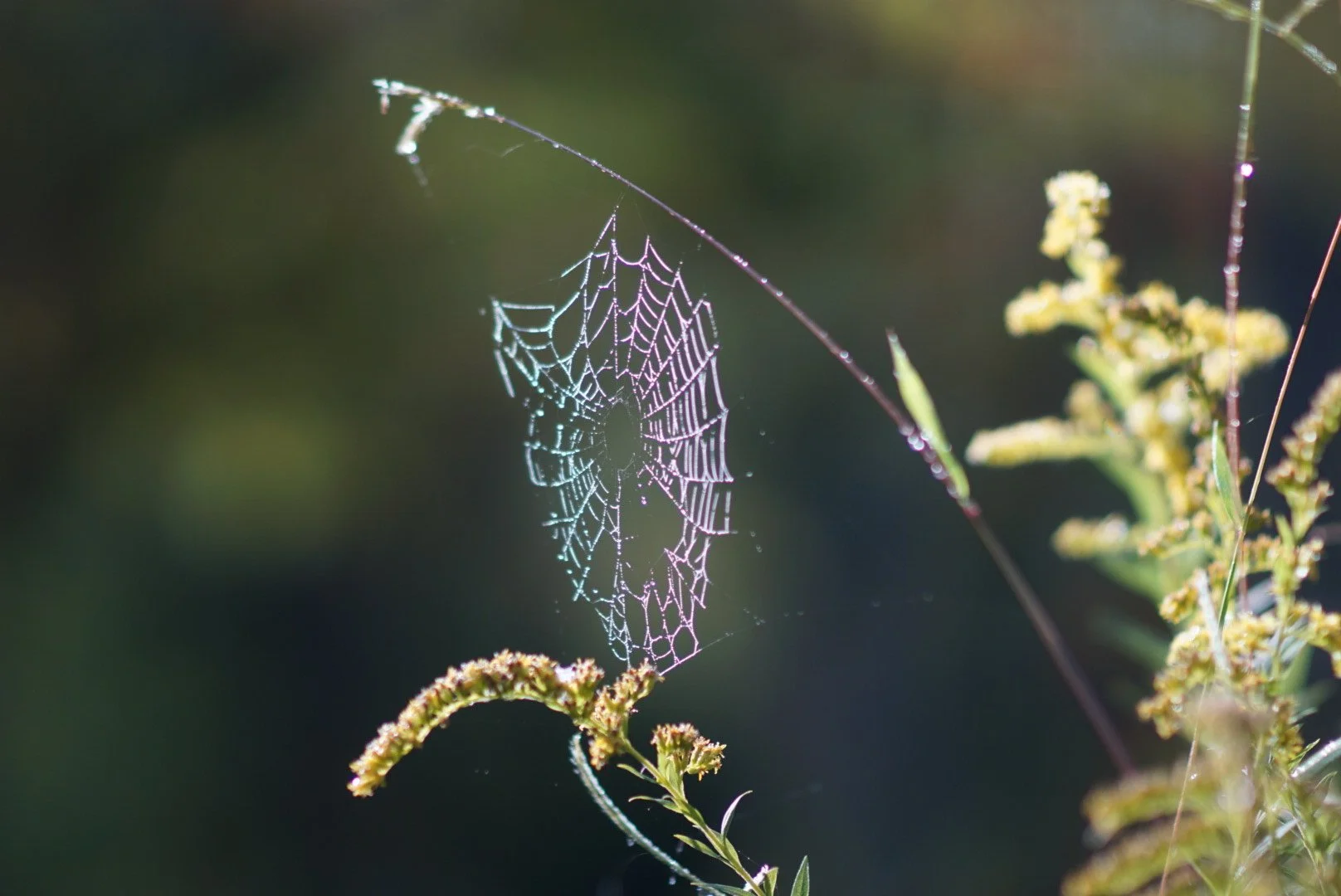
“Droplets to Frost” Sydney Vine
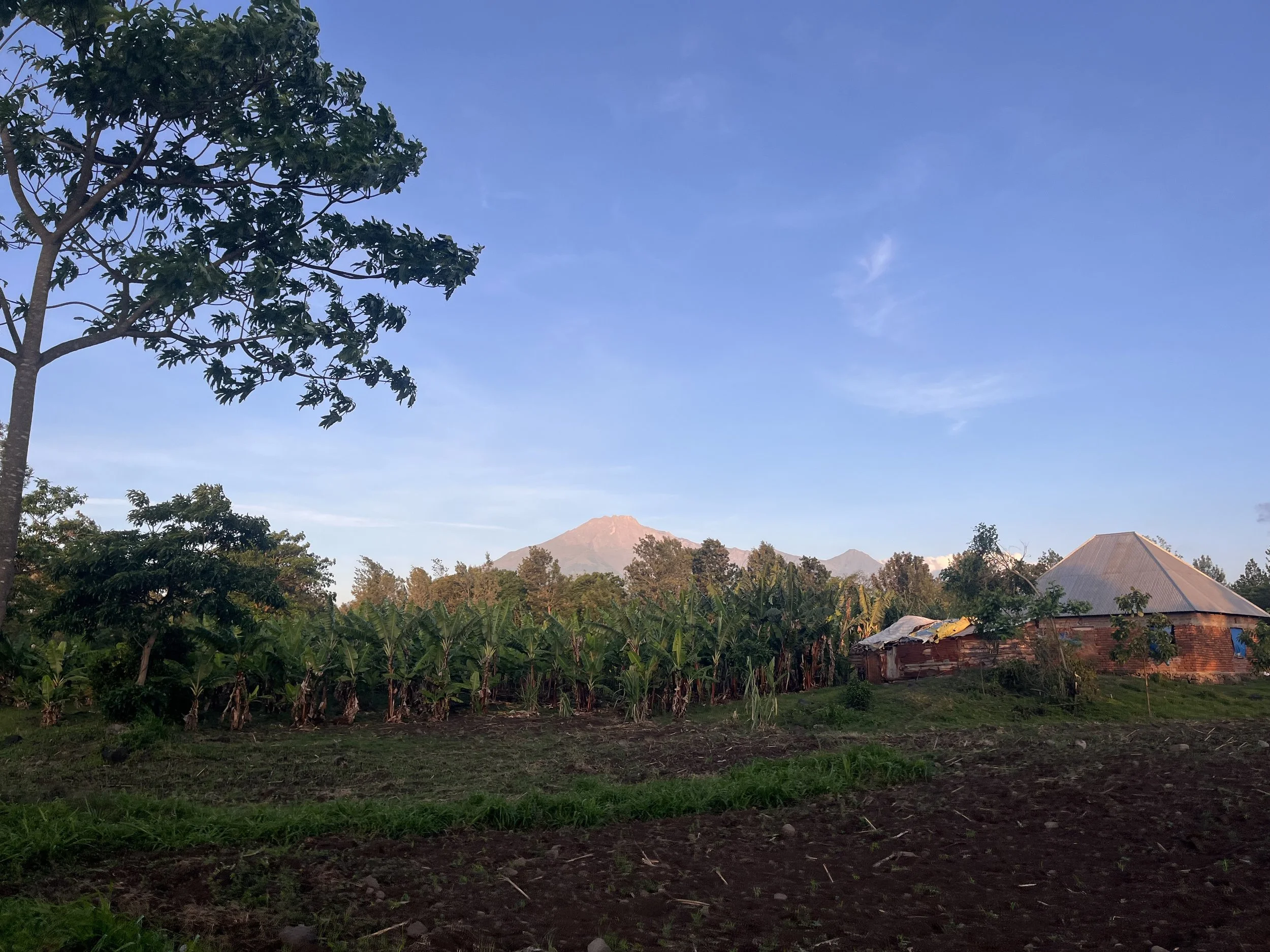
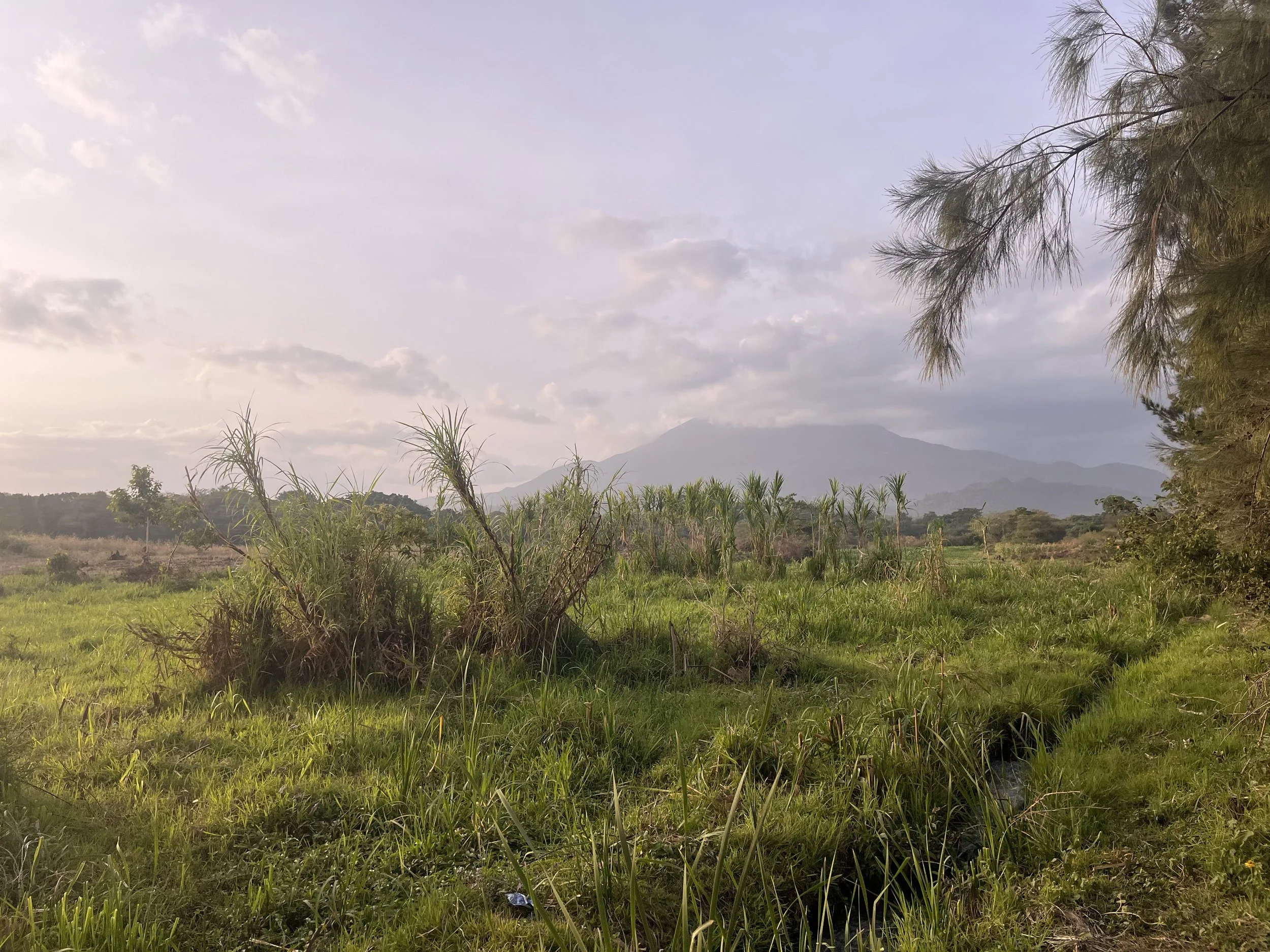
This solstice season, I am thoroughly befuddled. Fresh out of a semester abroad
in Tanzania, and an opportunistic European extension on my return, I have landed in my home of Austin, Texas.
While living and learning in Tanzania,
I struggled to toe the line between experience and reflection, between feeling and thinking. From my journal: “Every moment feels like I am walking through shallow pools. I want the water to clear up so I can see, but time goes on and I have to keep on walking.” I was busy feeling, reveling in the novel and foreign nature of the place. The historical, political, and ecological contexts that my classes provided drew me further into my experience, clarifying and entangling at the same time.
This experiential moment ground to a halt
on November 29, Tanzanian election day, when countrywide protests against the effectively dictator president, Dr. Samia Suluhu Hassan, were met with mass-scale state violence. The country was effectively shut down. The government blocked Wi-Fi and data, implemented a nationwide curfew, and allegedly began cracking down on the movement of foreign nationals.
Privileged with a secure campus, a well-supported visa, and no serious academic deadlines, my time reoriented around thinking. I spent whole mornings without talking, climbing into trees and plodding through my books. Personal time breeds personal thoughts; this time saw me analyze and rethink much of who I am and what
I want to be doing and how and why. But my thinking also wasn’t linear. It was expansive, leaving me with a tapestry of thoughts but no narrative.
Once I regained real tasks, I tried to find somewhat of a balance. However, these huge waves of cognition rocked my boat, molding my final three weeks into an immersed daze. This cloud followed me through my Tanzanian departure and my homecoming journey, a five-day, five-country whirlwind. I was swept between navigating Doha markets, being reunited with my partner in Berlin, missing my plane, and crashing at my uncle’s friends’ place in London.
While going from place to place was certainly jarring, I came to love the travel. The balance of exploration on foot and train and navigation by plane temporarily acted as an embodied solution to my dilemma, or at least a sense of direction.
This leads us back to my home, a place that
I cherish profoundly despite only moving back in high school. Spending time cooking with family and biking around town has been grounding. The comfort of familiar places, music, and people is a wonder. I always come back to Austin loving it more, but I feel particularly drawn back to the experiences and vibe of the place that raised me. There is a great balance of thinking and feeling now, my awareness blown open thanks to my practice observing a new place and my desire to feel invigorated by my weeks in lockdown. Only now, twenty-one years into my silly life, does it feel like I am starting to see a sliver of this crazy world.
Nico Martinez
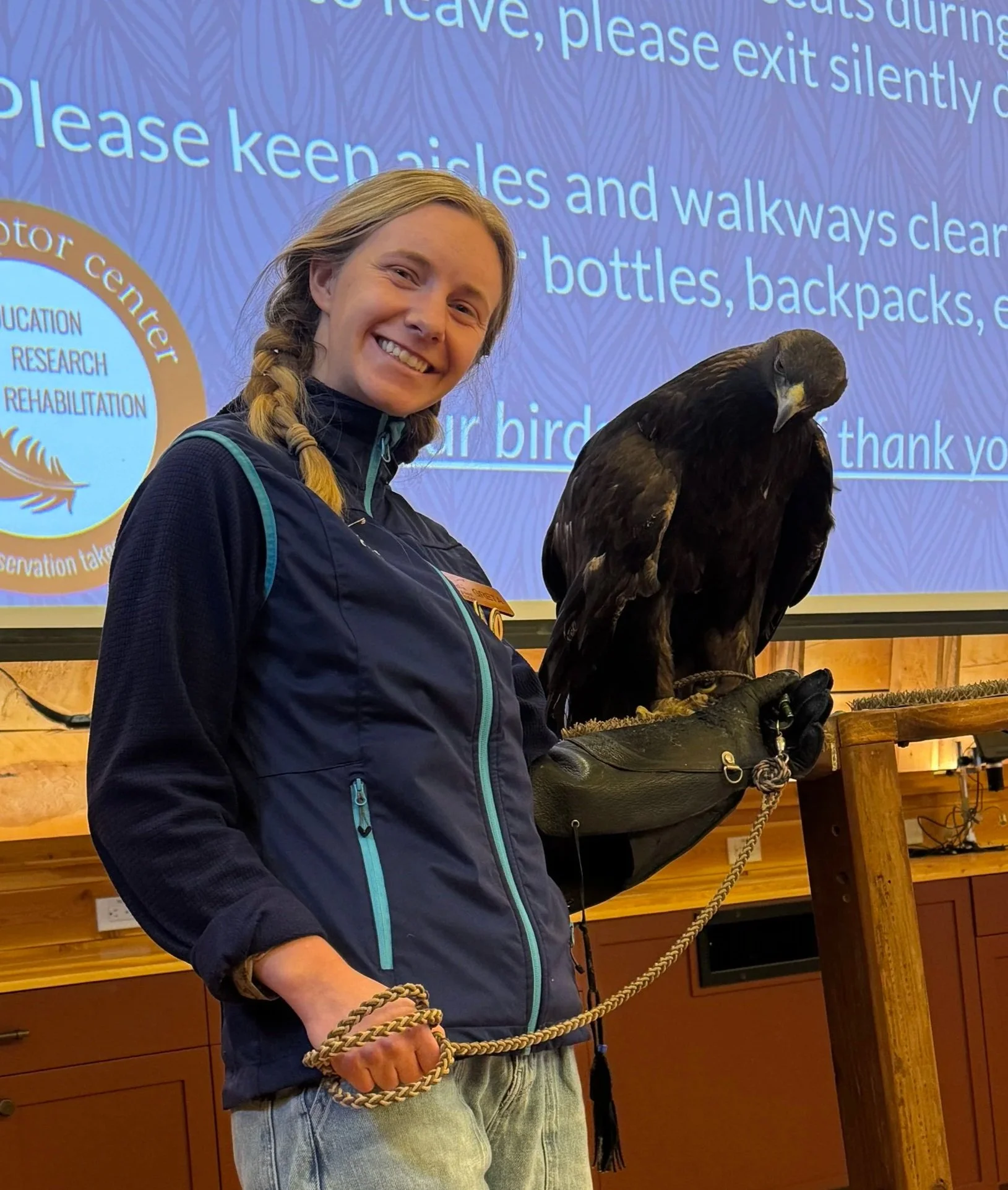
I just wrapped up my internship at Teton Raptor Center and starting my transition working as a field instructor at Teton Science School. My time at the Raptor Center has been super cool. I’ve gotten to learn how to train different hawks, eagles, and owls and do a lot of education programs for a more general public audience, in places like the airport or on site in more formal settings.
What has been making me feel most alive during this different teaching practice has been being able to really sink into trauma-informed care and the way you can use different education pedagogy as a way to train with animals as well.
Birds have often been something I’ve overlooked when thinking about the environment, and it’s been really inspiring to be around such a passionate team and really learn more about raptor species in the United States. Did you know golden eagles have a grip strength of 2,000 psi? I’m super stoked to be outside and getting students outside in my new job, and I’m looking forward to having the Tetons be my classroom.
Something that I am wrestling with now is jumping back into more of a formal education setting. I’ve learned to love really informal and wider-reaching program styles, especially in places like Jackson Hole, where there are a lot of people coming in and out. Being able to educate more of the general public, across different age groups and lived experiences, has been a fun challenge. I think that going back to having more of a school-group style of education will be a great transition and something that will be really nice to return to my roots from TREE.
Something that has really reminded me of my time at TREE recently has been watching the moon and how it grows and shrinks every month. This really reminded me of our full moon extravaganza we used to have and has made me want to implement those with the little community that I’m forming in Jackson.
Greta Cahill
Stuck in the middle seat on a red eye to my new life, I realized that my plan was not right. It was a feeling I had been toying with for some time, joking that maybe I would not teach at the Upper East Side private school I had committed to in April, but instead pursue a career in the NBA or as a famous chef. It was not the middle seat that kept me awake that night, though it surely did not help. It was my gut, itching, prodding me, reminding me of what I had learned at TREE.
It was the middle of August, and I had spent the summer teaching preschool in Seattle. The job had felt so right, it barely felt like work. Previously, in educational settings, I had moments of clarity and flow, but with these kids, in this place, it felt as if whole days went by wrapped in joy and enlightenment. There was no convincing these children to learn. For these three- and four-year-olds, learning was play; my job was to facilitate rich play and reflect, to get to know each child, their goals, and their families’ goals. We spent most of our time outside, exploring the lake ecosystem, collecting bugs, building with sand, and noticing, wondering, and thinking. Young children have divine access to awe, and through the magical, reciprocal process that teaching is, I found myself in a perpetual state of awe as well. Suffice it to say, I was fulfilled.
It was six in the morning when I got off the plane. My cousin could not pick me and my three large duffel bags up until ten, so
I found a spot right under a no-loitering sign and opened my laptop. I edited my resume to encompass my new early childhood education experience and began my
rapid-fire application process. Within a few days, I had a new job at Buckle My Shoe Preschool.
Buckle My Shoe is a Reggio Emilia–based school. After World War II, a small town in Italy dedicated itself to transforming early childhood education with the hope of raising a more democratic and peaceful population.
The tenets of this educational system emphasized child-directed learning, the environment, and the practice of democratic and social-emotional processes. They were so serious that lunch was served on ceramic and glass dishware with metal utensils and eaten family-style. There must have been
a lot of broken glass.
On the first day of my new job, I met my wonderful co-teacher and began converting a basement art storage room into our classroom. We spent three days discussing our beliefs, our dreams, and our celebrity crushes (Frank Ocean, if you’re reading this, email me). Though our room was windowless and in the basement of what used to be a bank, Iinsisted that we must bring the environment in—for what was a classroom with no natural inspiration?
We began the year by taking advantage of the weather, exploring different parts of a tree, and working on the concept of systems. We collected leaves and watched them change color, and I was reminded again and again of the power of nature-based awe. My own awe was sustained.
At TREE, all I wanted to do was play. I struggled to be an authoritative teacher,
to facilitate a culture that got down to business. Even in early education, I continue to struggle to know where my line is. I never want to sacrifice awe for productive outcomes, and yet I am slowly learning that sometimes I must. I fell in love with the educational awe at TREE, and now Ihave found that awe is a constant—that with facilitation and structure, opportunities for awe grow. Every day, I feel grateful for all the lessons TREE taught me: to teach from my gut, to notice, to wonder, and to reflect.
Jake Greenblatt
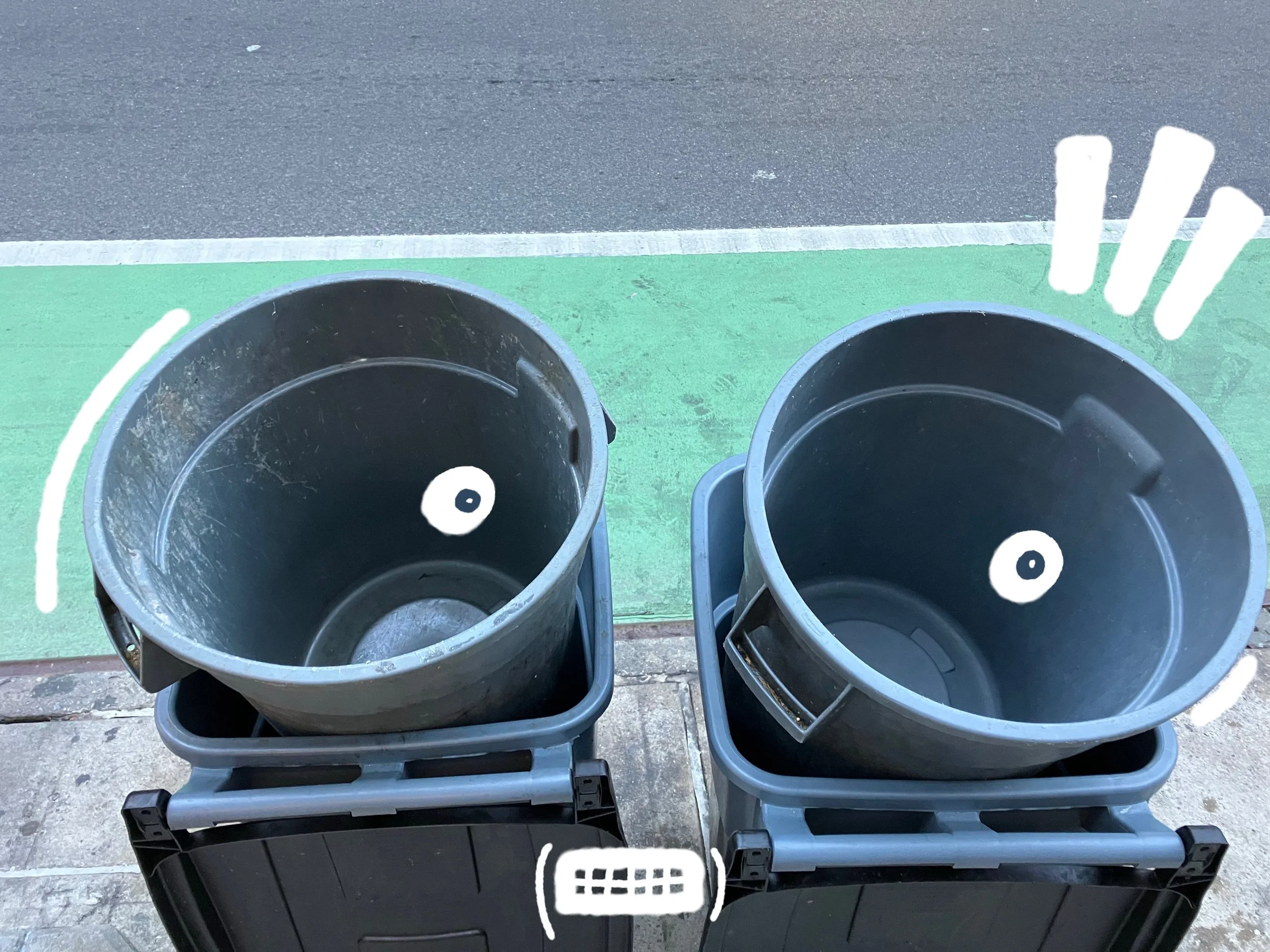
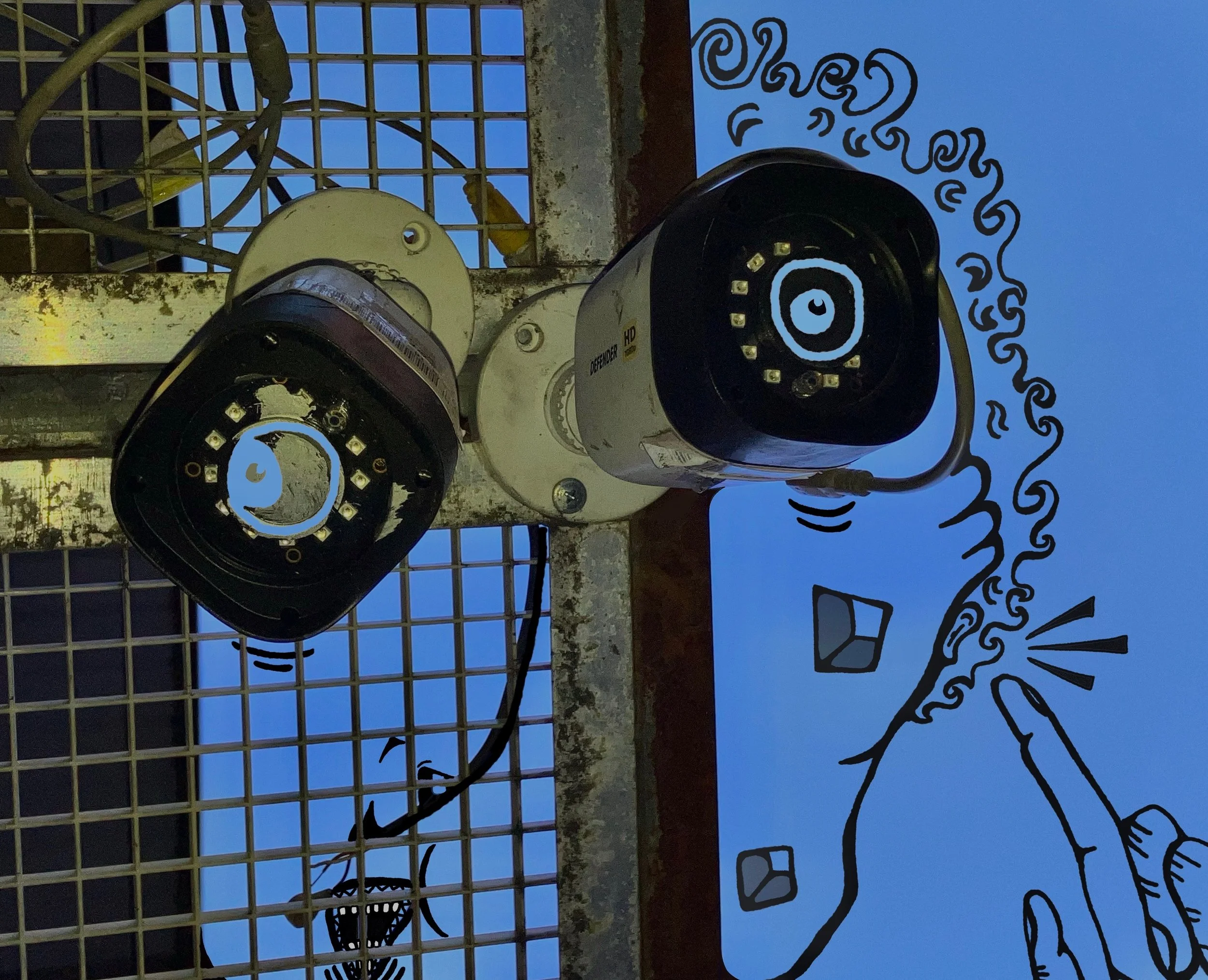
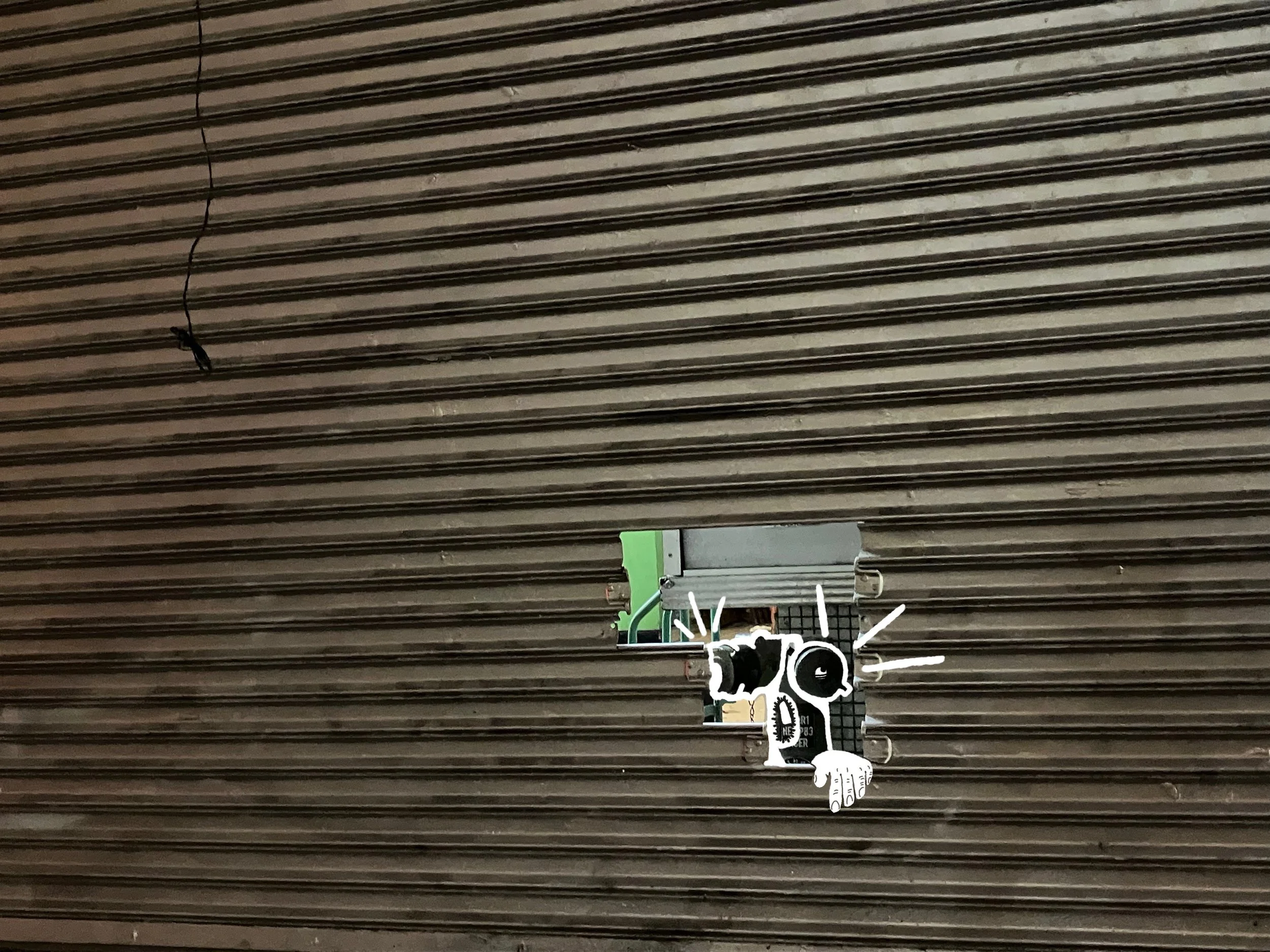
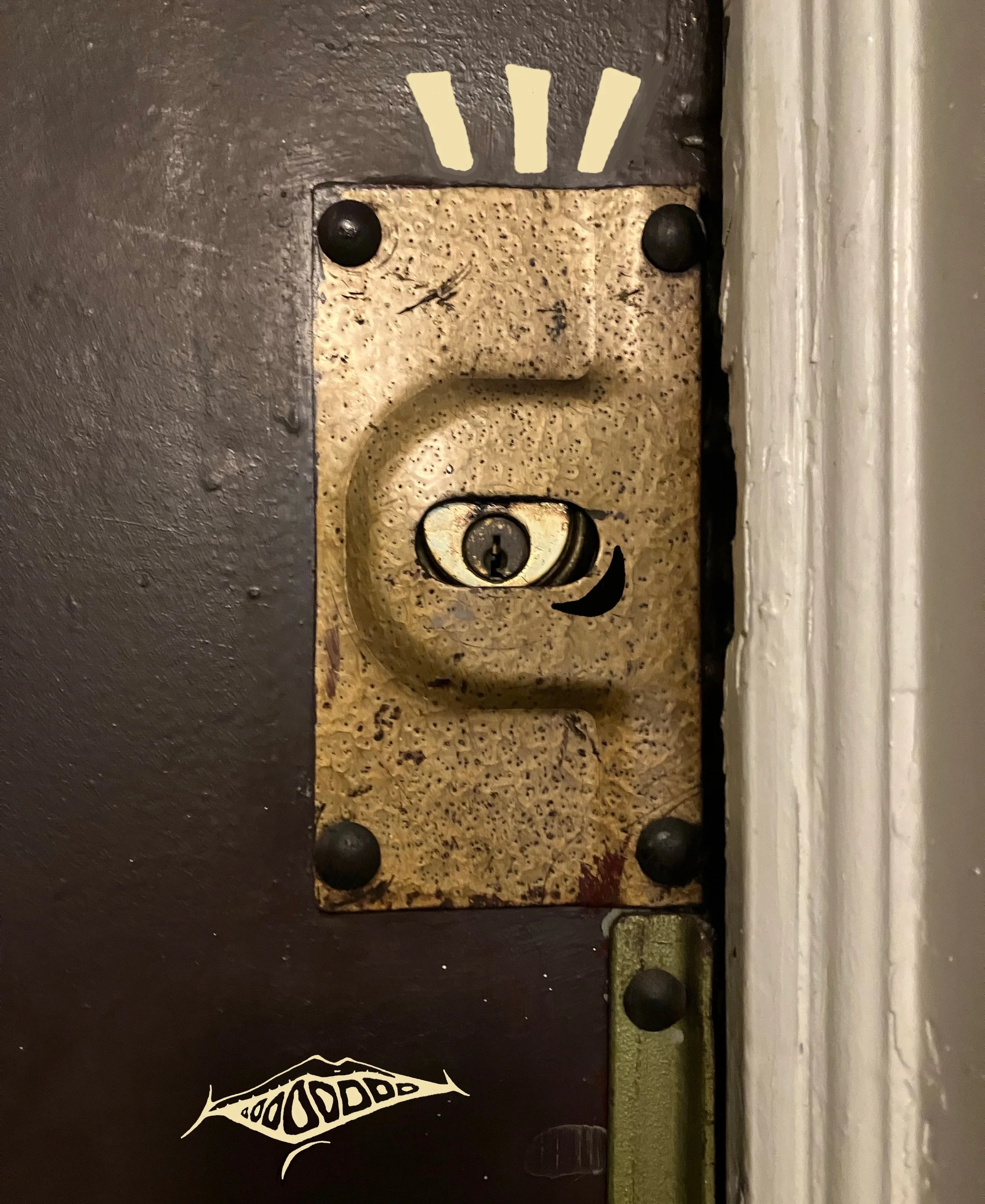
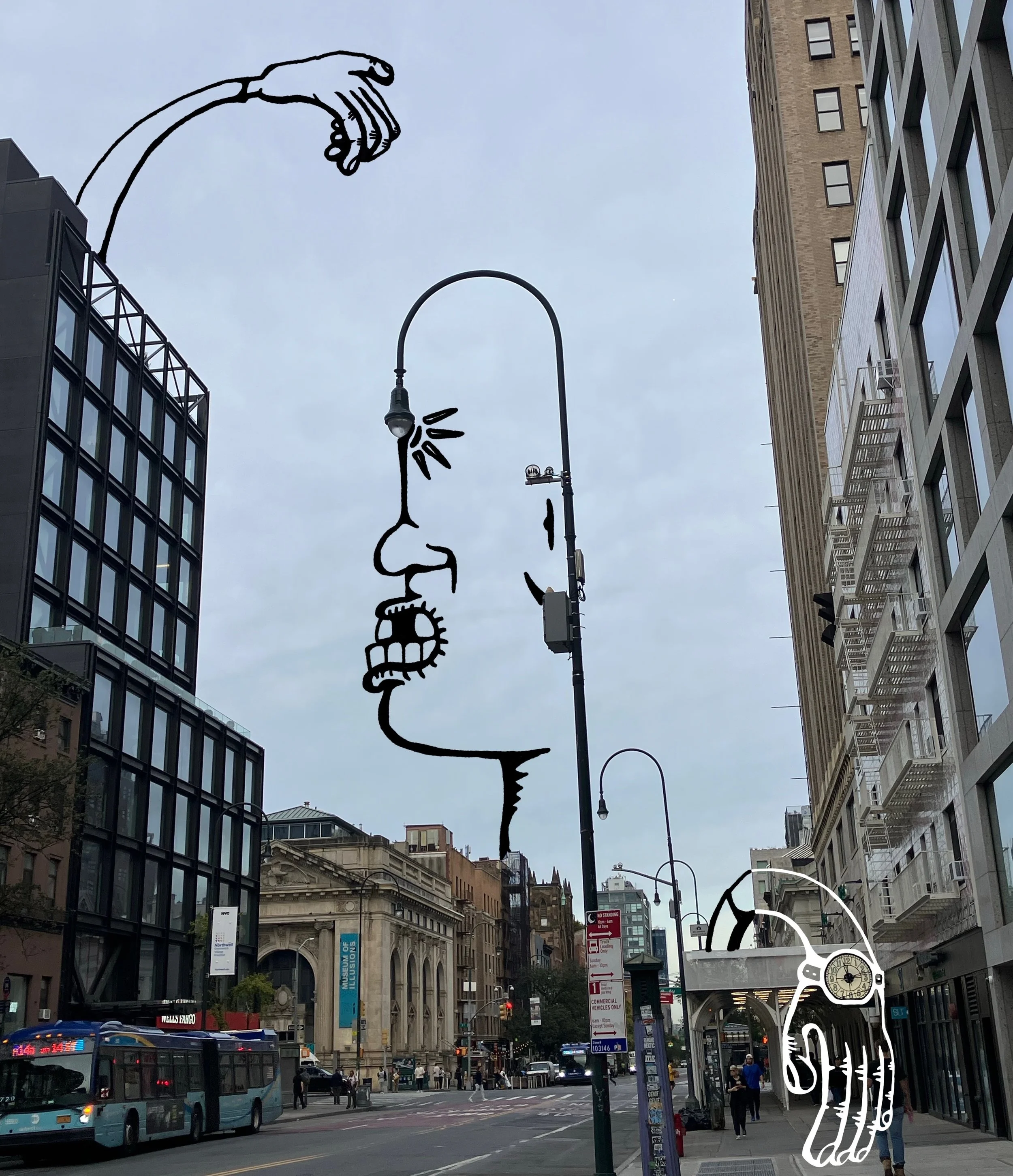

Over the last several months, I’ve been able to work in a very part-time capacity with the Catamount Institute to help them get their feet underneath them at the Catamount Mountain Campus, which we all know as
our beloved Catamount Center. One of the projects that I took on was doing trail, radio, and cell service mapping of the site and the beautiful adjacent trail network we’ve all had the privilege to explore during the TREE Semester. I spent three full days out on the land in October and November, just me, my water, some snacks, a radio, and my phone with Gaia GPS up and running.
I remember doing a little bit of solo exploration of the area during my first time on the land in 2016 when I was a TREE Steward. But this was my first time being with a forest for extended periods of time alone through the activity of hiking. I’ve come to know that area of land well enough in the last ten years that I felt I was never alone,
but accompanied by the many other beings of the area.
The first day I was up there, I could feel the stress of graduate school deadlines and the social-political situation of the world fall away, letting me feel the simple joy of forest sounds and memories that arose as I made my way around the site. The second day
I was up there, it was shortly after making the decision to move to Mississippi to be with my girlfriend.
As I walked, I could feel the grief of leaving a place I have come to know deeply bubble up to the surface. By the time I reached the top of Raspberry Mountain, I was feeling lighter.
I was grateful that the snow had held off long enough for me to make it up the steep north slope of Raspberry. As I approached the top,
I saw other fresh footprints in the light dusting of snow on the mountain ridgeline that seemed to have appeared from nowhere and were heading up to the top like me. In the many times I’ve hiked up to the summit over the years, I have never encountered another person at the top, other than those who accompanied me. But this time, I met not just one person, but two other hikers coming from all three directions of the trails, and we all converged at the top within ten minutes of each other. It felt like the forest and the mountain were reminding me that I can find community anywhere if I can find comfort in my aloneness.
On the third day, I ventured out to Landers City and then continued on to Goddard’s,
a place I’d yet to visit, though not without a couple of failed attempts in years prior that resulted in us getting temporarily lost.
As I entered the forest, I asked the forest beings to help me hold my grief that had risen back up again and keep me safe while
I was alone. It was the only day of the three when I wasn’t consistently checking in with J-Bri over the radio since I knew I was heading into radio dead zones.
As I walked, I finally let the tears fall as I allowed the forest to hold me in my grief. By the time I made it all the way back to my car in the center of campus, my exhausted feet were so grateful to rest, and my heart had softened.
The land we know as the Catamount has been a very important teacher in my life. I
am so deeply grateful for the many varied experiences, the joy and the pain, the flourishing and the loss, that I’ve had while up there. The land holds many memories, and I know that I can always come back to revisit them, even as life brings me farther away. One of the questions I asked some of my graduate project collaborators when
I started working with them was, “What lands and waters do you know?” I think the Catamount is one of the lands that knows me best. It is harsh, dynamic, and rugged.
It takes my breath away, quite literally.
And if there is any one place that I can say
I love, it is the Catamount. They will always hold a piece of my heart.
Alo McGarigal (they/them)
Oh Watershed Bear!
Seeker of solstice rhythm.
Strummer of the light.
- Julie Francis
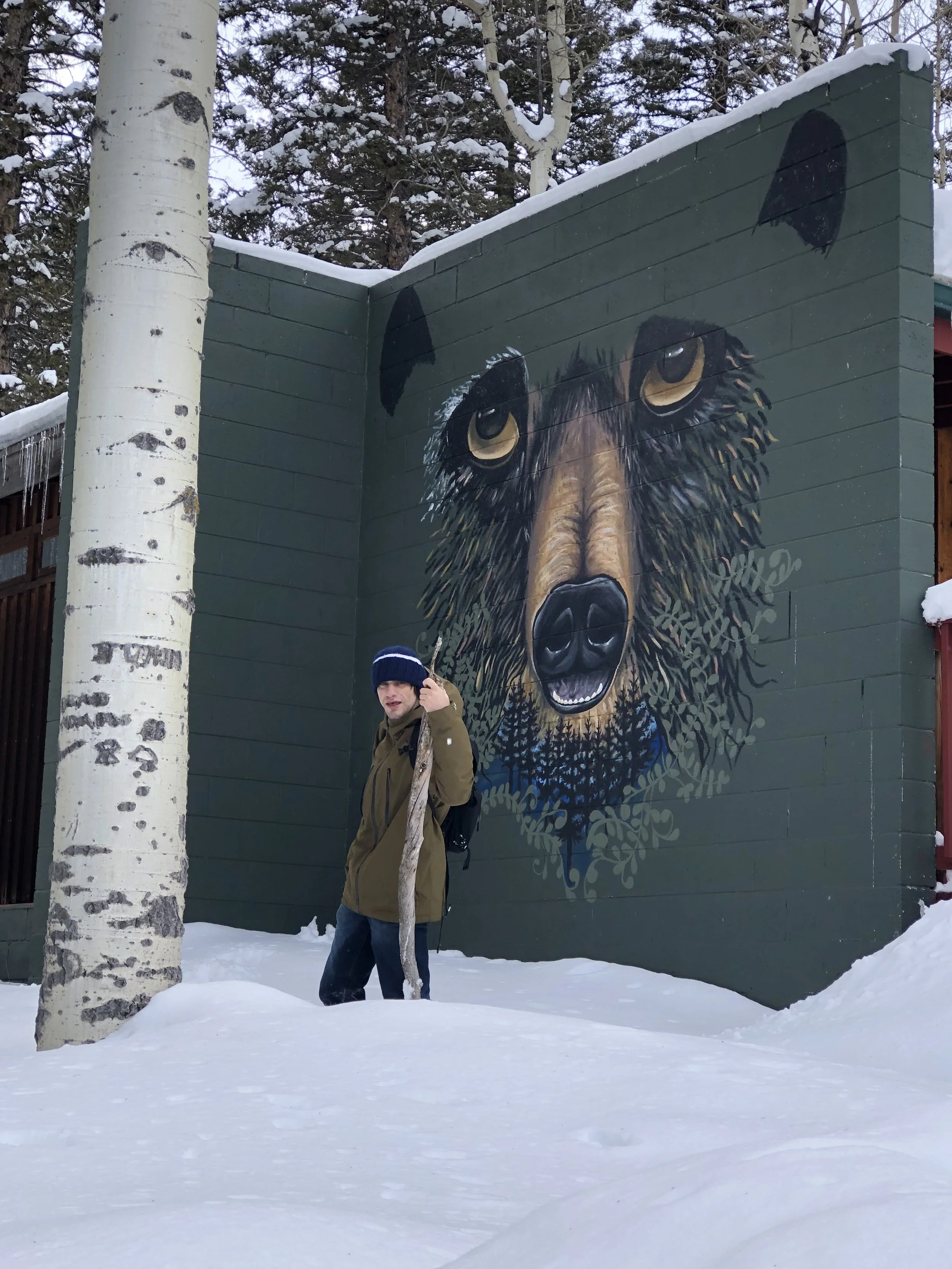
I am currently teaching at The Boulder Journey School (BJS) in Boulder, Colorado. BJS is a private preschool inspired by the Reggio Emilia philosophy. This philosophy centers the child, creating an image that is strong, capable, and competent, something we don’t often see in traditional early childhood education. The Reggio Emilia philosophy is rooted in emergent curriculum, which follows the ideas, language, and lead of the child. I work as a full-time teacher in Room 16, which is full of thirteen giggling and eager-to-learn three-year-olds. We spend much of our days pushing wheelbarrows around the outdoor classrooms or in our classroom’s workshop, using tools to fix whatever was brought to us that day.
Each day, our classroom comes alive at 8:00 a.m. sharp when children start to arrive. This part of the day feels just like I am back at Catamount, waiting for the roar of that yellow school bus to round the corner and pass over lakes Silva and Risa each Friday. That aliveness lasts all day, always something bustling, curiosity happening, and learning blossoming at each turn. But what feels most alive to me are the little moments.
Just the other day, after the first fresh snowfall of the year, we all bundled up and went outside to explore the snow together. The cushion of 6.5 inches of snow added quiet and stillness, and the children felt that. They all paused and took it in, really processing what was before them. I felt it too, in the same way that fresh breath of air feels when waking up to surprise snow at Catamount.
Feeling that quietness was something so special. Then they went straight in. Belly, face, back, and feet first, they dove into the snow. It was a beautiful thing to watch and participate in. It was like they were doing their own three-year-old version of forest bathing. They made me want to dive in just alongside them, laugh with them as they took bites of the snow and explored it with every part of their body.
I love seeing how children inspire me each day. This is when I feel alive in my work. I feel it when children are deeply engaged and curious in their element. I feel it when I can see them figuring out the world. Children were born with the instinct to discover and make sense of the natural world around them, and my job is to help guide that and figure it out with them, because I still am myself. Since I have been working closely with and building everlasting relationships with my three-year-olds, my heart feels
so full.
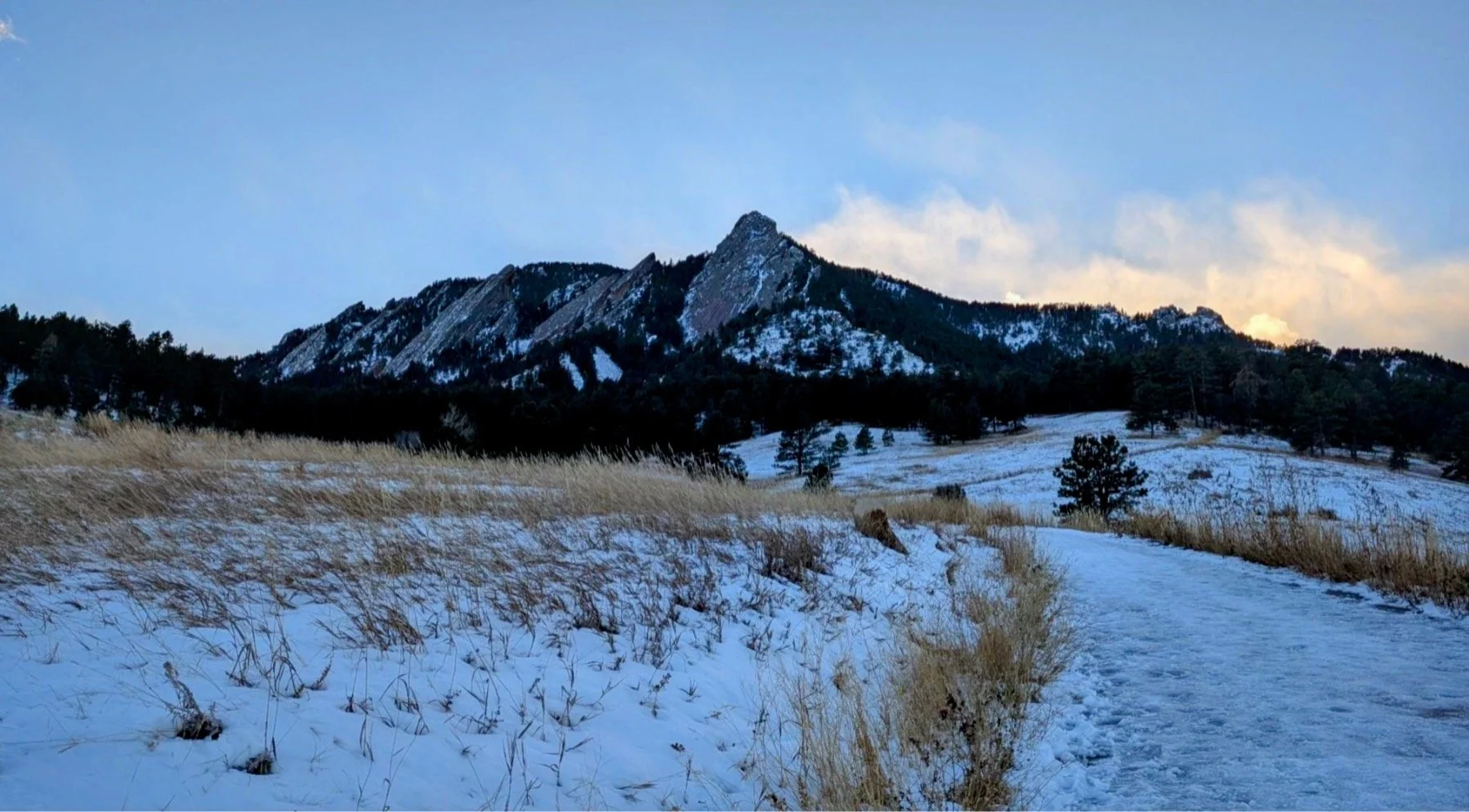
A weekend with a best friend, cold, brisk air, and a sense of stillness in a busy time.
Flatirons, at Chautauqua
Boulder, Colorado
Emma Markland
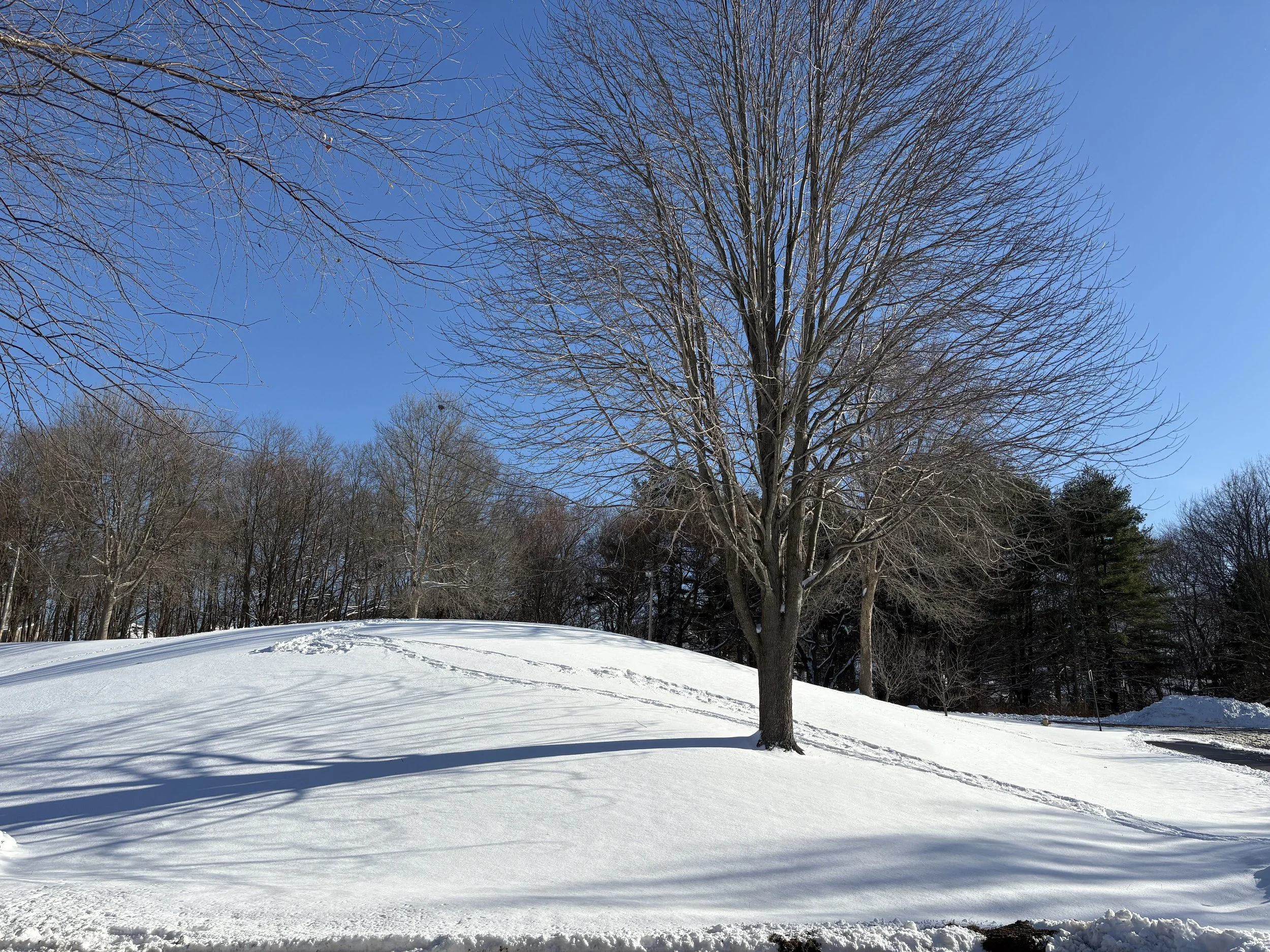
This is the view of our school maple tree from my classroom. My students came in remembering how we tapped the tree for sap in the spring and were eager to do it again. I explained we need to wait until spring, so in the meantime we have been watching her turn brilliant red before dropping her leaves, and now wish her a good rest before it’s sap time again.
- Paige Simenz
We’ve launched the TREE Community Directory as a way to stay connected beyond our time on the land. It’s a living resource shaped by shared interests, locations, and ongoing work. Alumni are invited to browse, connect, and add or update their information—let’s stay in touch.